
CRAZY, or not? South Africa's Wine Certification Authority will not disclose what wines it has certified in terms of where the grapes come from, e.g. Wine of Origin Piekenierskloof, WO Paardeberg, WO Polkadraai Hills, WO Elgin, WO Elim, etc. If you want to know the names of everything that originated in a certain area of the Cape winelands, good luck in finding out!
The wines of Piekenierskloof, in particular, have been increasing in number and interest value. It's estimated that there are between 40 and 50 wines made using fruit from the area, yet most involve trucking the grapes to cellars located outside the ward, many far away. Amazingly, there is only one winery in Piekenierskloof, namely Tierhoek. While the tasting room of Piekenierskloof Wines is on the Piekenierskloof Pass, the grapes are processed at the company's cellar in nearby Citrusdal, where a number of wines emerge bearing the certification WO Piekenierskloof on the labels – including some rare and unusual bottlings.
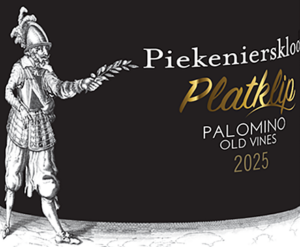
Newsworthy in July was the release of Piekenierskloof Platklip Palomino Old Vines 2025 made using grapes harvested from unirrigated bushvines over 50 years old, a new addition to Piekenierskloof Wines' heritage portfolio and “a tribute to one of the founding cultivars of South Africa's wine industry”. Just 713 bottles produced from a variety of which there are only around 81 hectares in the country.
Then followed the 2026 Citrus & Wine Affair in Citrusdal on 31 July / 1 August, the first wine festival focusing on reds, whites and sweets made from grapes grown in the Piekenierskloof ward and Citrusdal Mountain district. Exhibitors included the following producers, with where they're based given in brackets: Colombo (Stellenbosch), Haarwegskloof (Citrusdal Mountain), Kardouw (Citrusdal), Kruger (Somerset West), McFarlane (Paarl), Momento (Bot River), Nuiba (Stellenbosch), Piekenierskloof Wines (Citrusdal), Savage (Cape Town), Thistle & Weed (Stellenbosch), Thorne & Daughters (Bot River) and Tierhoek (Piekenierskloof). Hardly a comprehensive list though – Allée Bleue of Franschhoek, Donkiesbaai / Guardian Peak, Ken Forrester and Neil Ellis of Stellenbosch, Fairview of Paarl and the Sadie Family of the Paardeberg being some of the others.
Finding out the names of everybody who produces WO Piekenierskloof wines is tough, to say the least, whereas establishing the names of each and every wine certified as WO Piekenierskloof is nearly impossible. If only the country's Wine Certification Authority could be more useful in the marketing of these wines, more helpful in the promotion of wine tourism. Executive manager of the statutory body, Olivia Poonah, explains that their mandate is to administer the Wine of Origin, IPW and Estate Brandy schemes as per the Liquor Products Act. “The statutory certification records of the Authority are not available to third parties,” she says, suggesting that the names of all the wines being sought after can be obtained instead through a simple Google search (which doesn't really work), getting in touch with the industry's export marketing body WoSA (who refer enquiries of this sort back to the Wine Certification Authority), or by contacting the various wine routes (which in most cases won't get you very far).
Surely the wine producers who go to the lengths of having their wine certified as WO Piekenierskloof, for example, are doing so in order to proclaim as much on their labels, which are in the public domain. Why then would any of these producers object to this info about their wines being made available to the public on a list including every WO Piekenierskloof wine, in this instance. The Certification Authority's cloak of secrecy is baffling!